Fab feasible fun
Motorists haven’t had the luxury of experiencing truly innovative automobile concepts or driver’s cars near the bottom end of the price pyramid in recent times. Surely, even the cheaper cars are now loaded like a luxury car from not too long ago but, have they missed out on their colourful character? One thinks small cars are supposed to be flicky, fun and yet economical. Has the small car changed as time had passed? The small car has been the industrial stalwart in many markets round the world, driving growth & mobilising millions. But in its core utility, the small car also found its mojo and came to catch the rhythm of its time. Let’s ponder upon some accessible motoring.
It works…
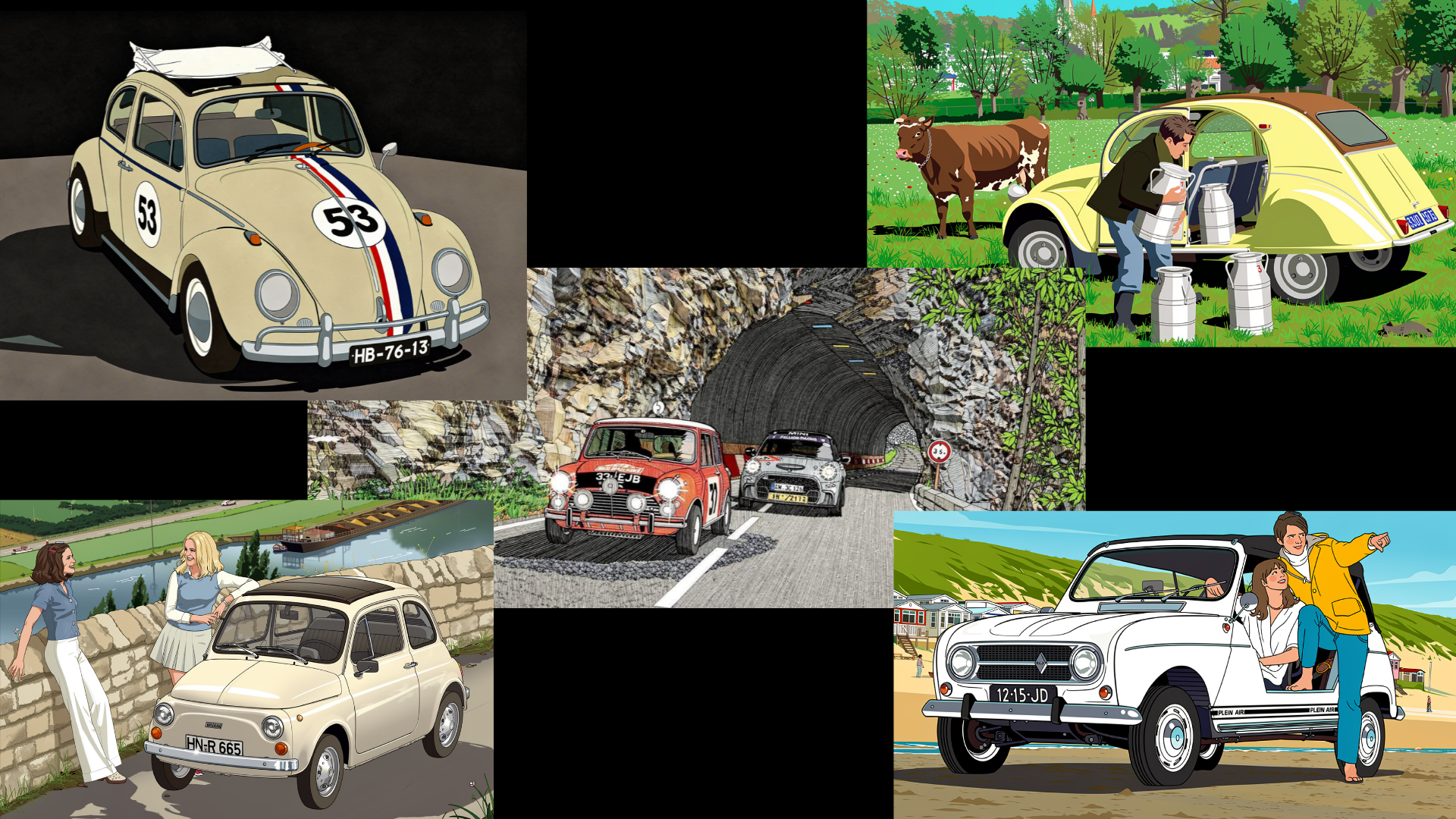
….so why reinvent it, let’s build on it. It seems we had the basics worked out post-war. The right simple motoring formula emerging from times of crisis.
The 2CV could drive through ploughed fields without breaking a basket of eggs onboard, all while giving one enough room to wear a tall hat & it had detachable rear seats. The Mini cleverly accommodated six-footers despite its diminutive size due to clever packaging and was a hoot to drive as well. The Beetle was endlessly reliable. The Fiat 500 was and still is the Gucci purse of automobiles. Meanwhile the Renault 4 had open top adaptations without doors and 4-wheel drive like the 2CV, although the Citroen Sahara is cooler since it used 2 engines, so it was an AWD, an FWD & an RWD.
The “fun” in function
Small cars always had one job: being sensible; an efficient, economical automobile that lasts over a reasonable span of time. Renault 4, Austin Mini, the Fiat 500 all hit the mark. Popular all across the globe, they’re best known to have cushioned the 1973 Oil Crisis blow for the Europeans. The likes of the Citroen 2CV & ofc, the Volkswagen Beetle achieved a totemic status, becoming symbols of post-war industrial Europe. Meanwhile the early Fiats became style icons & came to define the term “Euro chic”, designed in Turin for the snazzy Milanese squares. Cars such as these meant all things to all people & they were to a large degree, classless, something very rare among products intended for the masses.
Mind you it was the £500 Mini which was the real cracker, winning the Monte-Carlo rally 3 times thanks to a design which was ahead of its time. Wheels on the four corners, transversely mounted engine, a front-drive layout and a kerb weight that’d give today’s small cars an identity crisis. All this was enough to trounce the rally cars of the day as well. Drivers described the handling to be go-kart like as it carried almost no momentum into the corners, this was the key on lubricious surfaces where the more powerful rear-wheel drive competition struggled to put the power down. Even in the dry downhill sections drivers carried considerable pace through the twists and were able to maximise their advantage. The Mini then also became a cultural icon like its continental peers.
As the hatch progressed, the market for affordable small zippy cars was quickly realised by the Germans and then the French. The original GTI Golf from VW and the likes of the Peugeot 205 GTI are firmly cemented as among the finest cars ever made. As the likes of WRC got serious, the mandate to homologate parts meant public had access to proper corkers with both the Europeans and the Japanese leading the charge. We saw novel racing tech like Honda’s VTEC, & Mitsubishi’s trick 4 wheel-drive change the small car image as they got faster and more usable at once. Ford’s UK division led the charge & made the best nutter’s mobiles well into the 2010s & in the process forged their reputation as to quote Jeremy Clarkson, “A supercar maker for supermarket prices”.
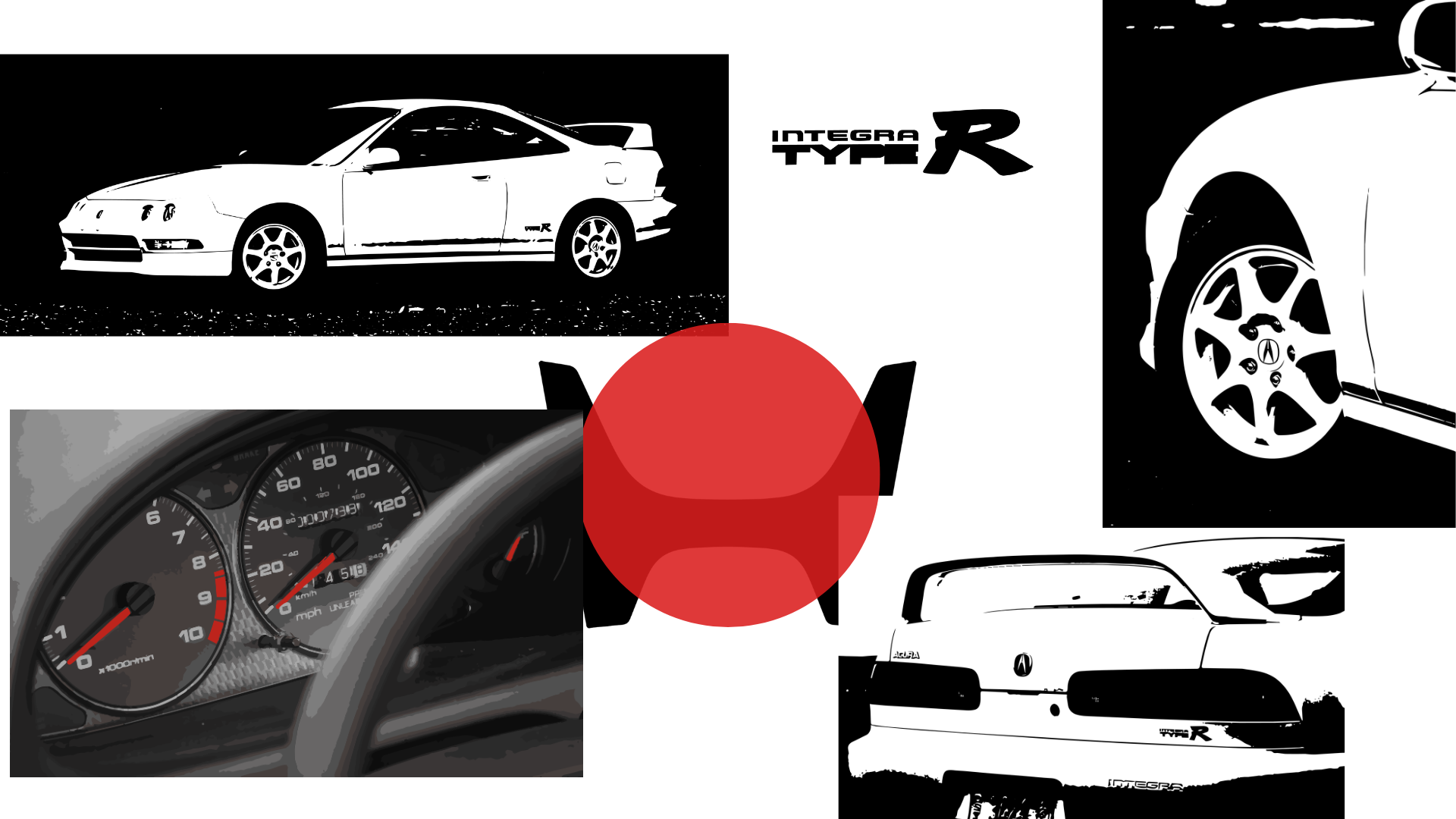
VTEC….
….really combined the best of both worlds. A shopping trolley under 5000-ish rpm and a pocket rocket beyond that mark. Small cars really took off with this innovative dual cam lobe setup, and while others like Mitsubishi and Toyota fiddled with similar tech, Honda rose to the top.
Simply put, a small 1200-kilo car doesn’t need big brakes or electronic nannies to be kept in check & VTEC makes it fly as well. With 50+ imperial MPG, you got diesel levels of economy without penalising refinement topped off with a performance boost if you didn’t mind keeping the 4-pots buzzing away.
The thrilling thoroughbreds
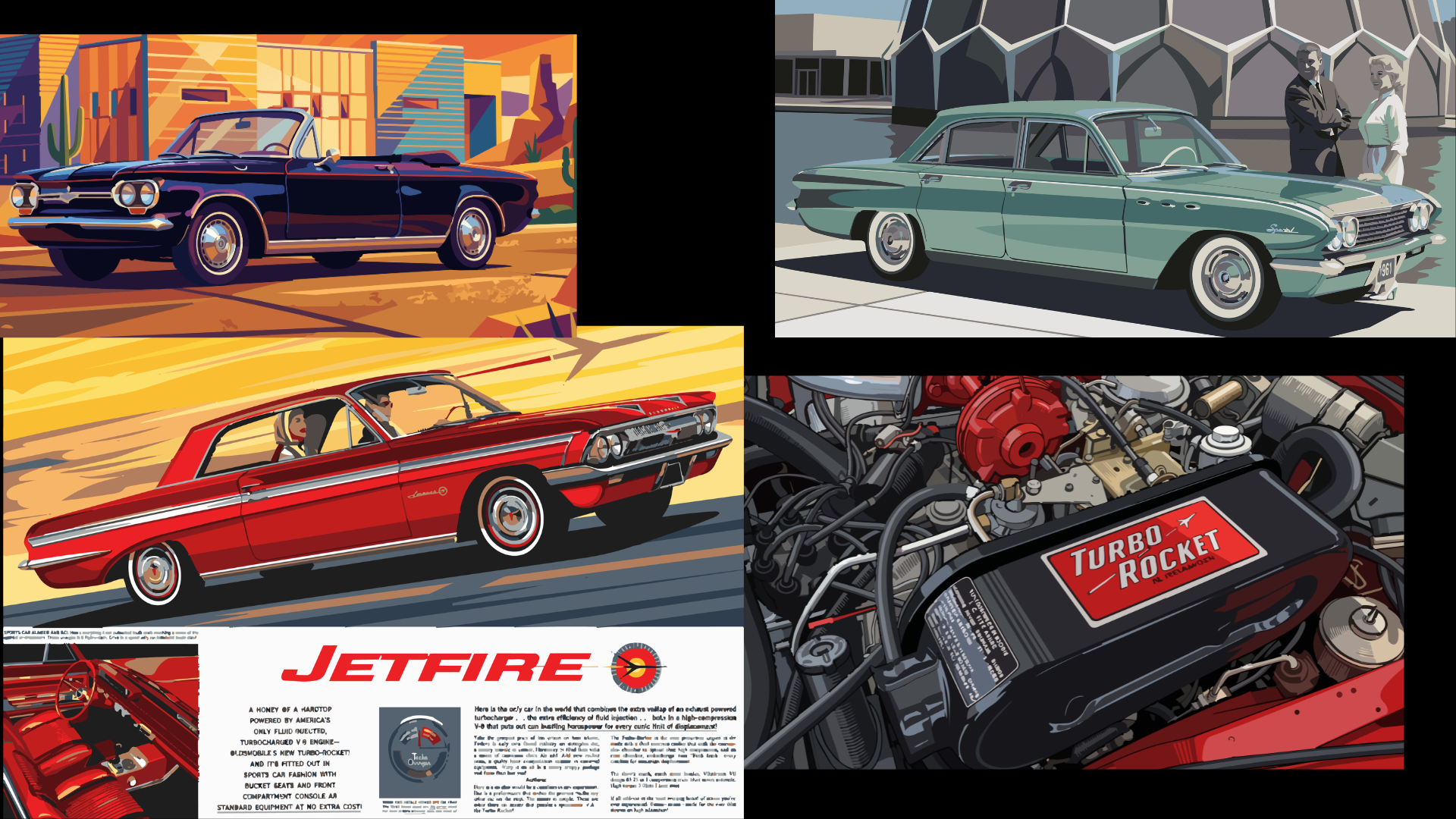
Small cars have often been treated as the industry’s understudies: economical, obedient and rarely invited into the limelight. Yet some became rolling laboratories. Ed Cole’s late-1950s GM compacts, including the Chevrolet Corvair, Pontiac Tempest, Buick Special and Oldsmobile F-85, arrived not with a whimper, but with pockets full of strange ideas. The Corvair Monza Spyder and Oldsmobile Jetfire brought turbocharging to production road cars when the technology was still closer to aviation than suburbia. The Jetfire married forced induction to GM’s featherweight 215 cu in aluminium V8, using a water-methanol “Turbo-Rocket” fluid to keep detonation at bay. It was ingenious, temperamental and perhaps a decade ahead of its owners, many of whom simply forgot to refill the reservoir. Yet beneath the theatre was an excellent engine. Light, compact and unusually good at shedding heat, the aluminium V8 occupied little more room than many four-cylinders. Its second life as the Rover V8, lasting until 2004, proved that the original idea had strong bones.
Pontiac, guided by John DeLorean, wandered down another unmarked road. The Tempest’s flexible “Rope-Drive” linked its front engine to a rear transaxle, giving the modest compact near-even weight distribution and fully independent suspension. Its 155 hp slant-four added another crooked grin to a car that refused to follow Detroit’s usual recipe. These machines became icons because their engineering served the design, rather than smothering it. They were clever in the old-fashioned sense: fewer parts, better ideas.
Compare that philosophy with the modern electric tailgate. Motors, sensors, control units and safety systems now perform a job once entrusted to hinges, struts and a human arm. The split tailgates of the original Range Rover or an EG Honda Civic were simpler and, in many ways, more useful. Open only the upper half when needed; lower the bottom section to load something heavy, carry a dog, or simply sit and chat.
That is the quiet dividing line between invention and unnecessary complication. Progress should make a car more capable, not merely add complexity.
One might argue…..
….that the Falcon, Ford’s compact car, was more successful. But no one will argue that it were the GM automobiles that were truly engineered to pave the way for cars to come.
The sheer will it takes to be disruptive in a market so conservative and a segment still emerging is in and of itself an executive case study. Mind you, these cars are about as big (‘cuz American & cheaper than..) as a 2026 Honda Civic while being way more exciting.
In 1963, $2700 ($30k today) bought you a loaded Corvair Monza Spyder with a drop top and turbocharged rear-mounted flat-six like in a 911 Porsche.
The pinnacle period
Cars are widely believed to have come of age in the 1980s-2000s, with peak reliability, best of designs, and abundant innovation. This era saw some of the very finest compact automobiles being developed and embraced by the market. An oft overlooked phenomenon of this period was the sheer range of body styles on offer, one could have convertibles, utility/off-roaders, people carriers, estates etc. all under roughly the same footprint. This also meant you could have essentially road-going rally cars, two-door drop-tops, coupés and estates across most of car shopping budgets. Combine all of that with a well performing global economy (mostly) and with the fact that by the 90s, AWDs systems, turbocharging, etc. had more or less been sorted out and you set the stage for truly remarkable automobiles, the list is just too long to even mention here.
You could’ve bought an economy car back then in multiple powertrains which could last 300-400,000 miles with regular upkeep then an 8000-rpm version of that same car and you could have had the car in estate, hatch or a saloon body without taking out a second mortgage. An $8000 Suzuki Samurai beckons accessible appeal like a $70,000 PHEV Wrangler 4xE just cannot, even adjusted for 2026 inflation the Samurai is $20,000 with the footprint of a modern UTV. You even didn’t have to spend more than 50,000 USD to get active aero, rear-wheel steer, and electronically controlled suspension all while beating a Ferrari in a skid-pad test. One could actually tell cars apart without being a car-bore as marques had real character and distinctive styling signatures, the overall diversity of automobiles back then is surely to astound the young car buyer of today.
Okay then, you might think, “Stick to practicality and the how all of it bears significance to contemporary motorists…”. Well, put it this way through the singular parameter of reliability, if a small car economically lasts a single-income family 12 years of abuse instead of 4, it quite comfortably will be among the most financially responsible calls they’d have ever made.
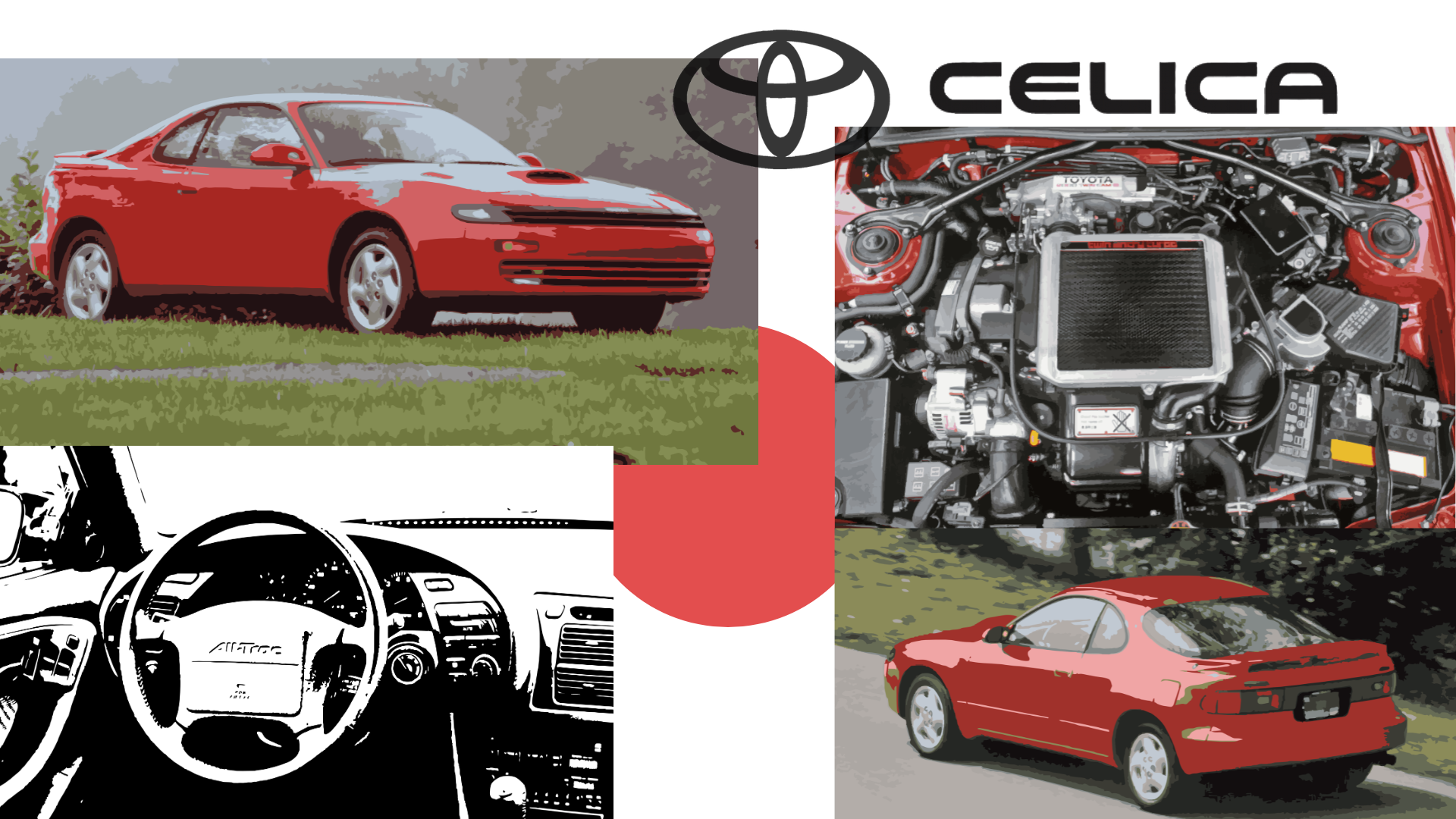
Rally cars….
….built for the masses gained particular notoriety during the 90s. These turbocharged, all-wheel drive and hard-as-nails machines went like nothing else on the road while offering a breadth of usability & cutting-edge tech for not too much money as they were based upon regular mass-market platforms.
They became synonymous with supercar-beating performance at all times since the weather could do pretty much whatever it wants and you’d still be supersonic.
Lost hopes…?
Not really, but it’s not all roses either. The working middle-class is hit the hardest as far as wages are concerned over the last half-century. Therefore, among the next big things in motoring is bound to be a simpler, more lasting piece of unpretentious machinery that doesn’t break the bank. “What if it’s not?…..” you might ask. Well, China has already proved it can build & sell EVs at a fraction of what ours cost with half the development duration.
If others don’t play to their strengths & break away from the concept of selling the same car for more money, they’d have a determined opposition who sell you more car for the same money.
