The AK of automobiles…(ch. 2)
Toyota Hilux, the everlasting workhorse has been the ceaseless companion for small businesses, farms and mud-plugging motorists worldwide. We’ve been on a bit of a “Toyota Spree” lately with the Land Cruiser, and I seek to continue the momentum with the Hilux. Yes, the pickup which pickup-loving Americans don’t get and the one which Australians lap up by the thousands each month. The humble hauler has been serving all sorts of people since 1968 and is in its ninth generation now. Let’s cover the 21st century Hilux generations in this one.
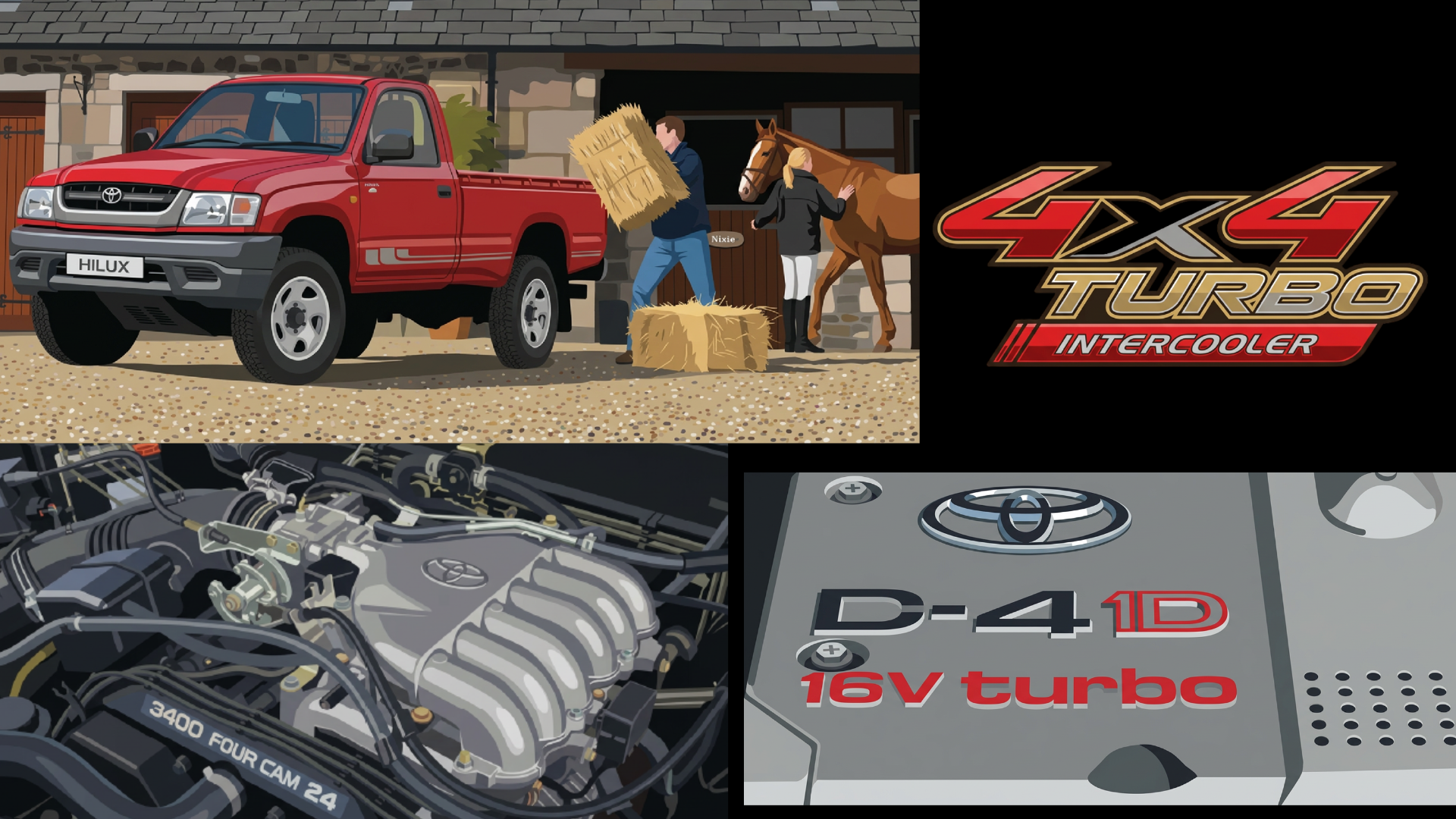
Into the cellphone era….
The 6th-gen truck underwent a facelift in 2001 for the 2002 model year, featuring a more rounded fascia. The Prerunner package (N190 series) — a medium-wheelbase rear-wheel-drive model equipped with the suspension setup from the 4x4 variant — became available for the first time. For the European, Thai, and Malaysian markets, the KZ-series turbodiesel engines were replaced by the KD-family of turbodiesel engines. Additionally, the V6 engine made a comeback in 2002 with the arrival of the 3.4-litre 5VZ-FE engine, offered exclusively for the Australian four-wheel-drive models, it wasn’t as refined as many hoped but was a hardy unit.
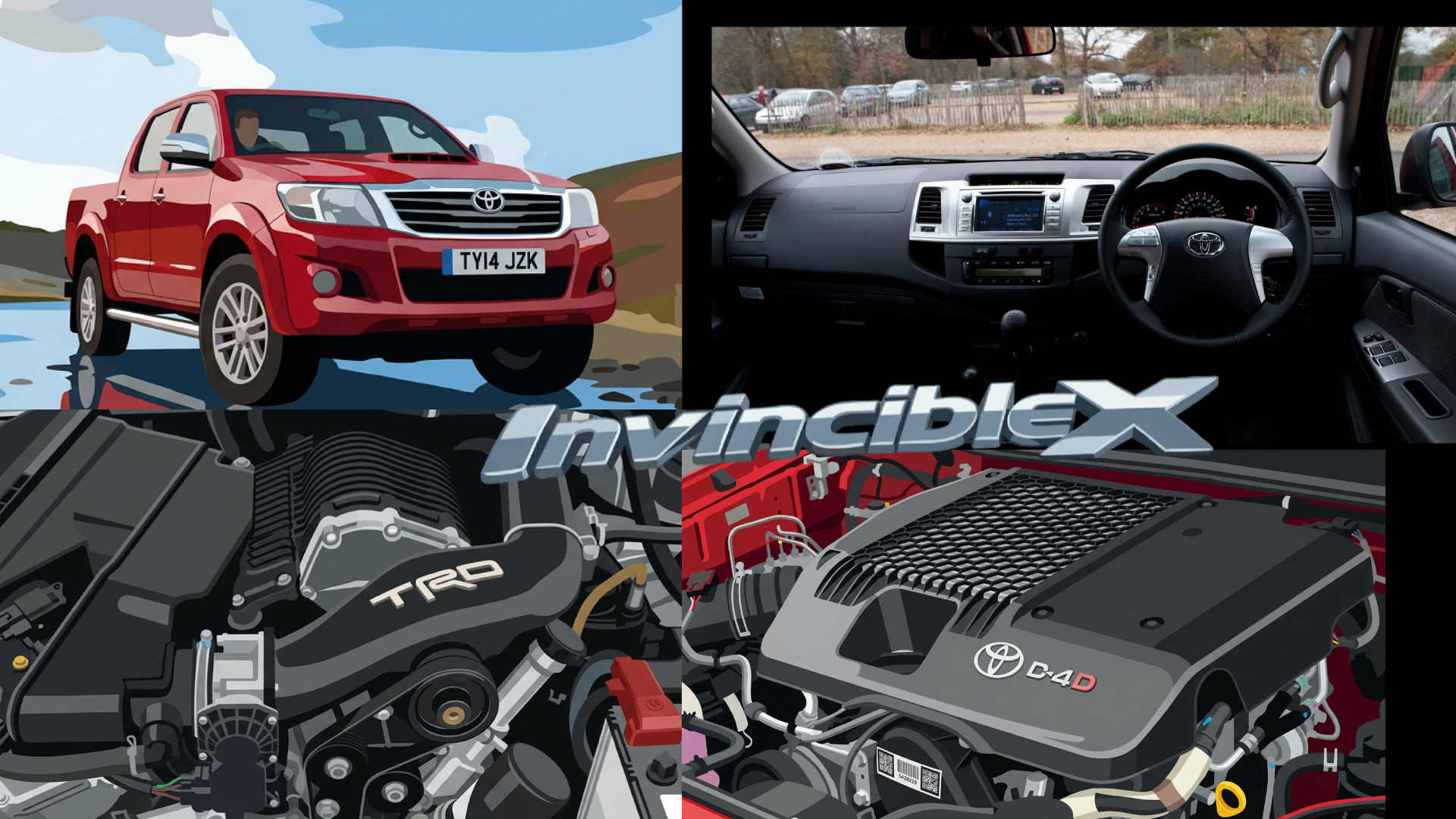
Away from home
As the first Hilux to have it’s mother plant not in Japan, the primarily Thai-developed seventh-gen ute featured a unified inner frame and significant reduction in welds for a 45% higher stiffness compared to its predecessor. The significantly larger ASEAN Hilux also sported a new sort of double-wishbone front suspension for enhanced on-road manners. The IMV (Innovative International multi-purpose vehicle) underpinnings spawned the Innova/Kijang Innova people-carrier and the Fortuner SUV in select markets as well.
Gone was the RZ 4-pot and in came the equally tough heavy-duty iron block TR-series with variable valve timing (VVT-i). A large 4-litre GR-series V6 was also added to the range making for a rather quick truck by Hilux standards. Even quicker was an un-Toyota like supercharged version sold exclusively in the Australian market. Remains one of the cooler Toyota pickups to this day.
A brave new world
Pickups were increasingly being seen as do-it-all machines into the 2010s. For sure, the small car market was boosted briefly by the 2008 Lehman Crisis but leather seats and automatic transmissions were making their way into more and more pickups even outside of the North American market. We even saw the likes of Mercedes-Benz X-class with plush furnishings and the Volkswagen Amarok with an engine that was more than just a load-lugger.
In these strange times, the Hilux pushed on and did well for itself. The seventh-gen Hilux got its own time in the popular culture limelight as Jeremy Clarkson and James May from Top Gear took one to the Arctic Circle. They became the first people to drive a motor vehicle to the 1996 position of the North Magnetic Pole. What was particularly exclusive to this Top Gear adventure was that the equipment needed to film it (batteries, cameras, radios, etc.) suffered failures but the automobile itself remained dependable. While facing navigation challenges amidst appalling visibility and thin ice along the way, the team also got stuck, and it was a rather precarious perch. However, through sheer strife the crew managed to free the stuck truck who were also travelling in Toyotas with similar mechanicals. They won, as they reached the finish point earlier than Richard Hammond & explorer Matty McNair who arrived by a dog sled, a primitive means of traversing the treacherous terrain in and around the Arctic Circle for eons.
The template is largely the same throughout most of the “bleak-y” places worldwide, as the Hilux has replaced the habitat’s favoured and has thus, altered natural balance.
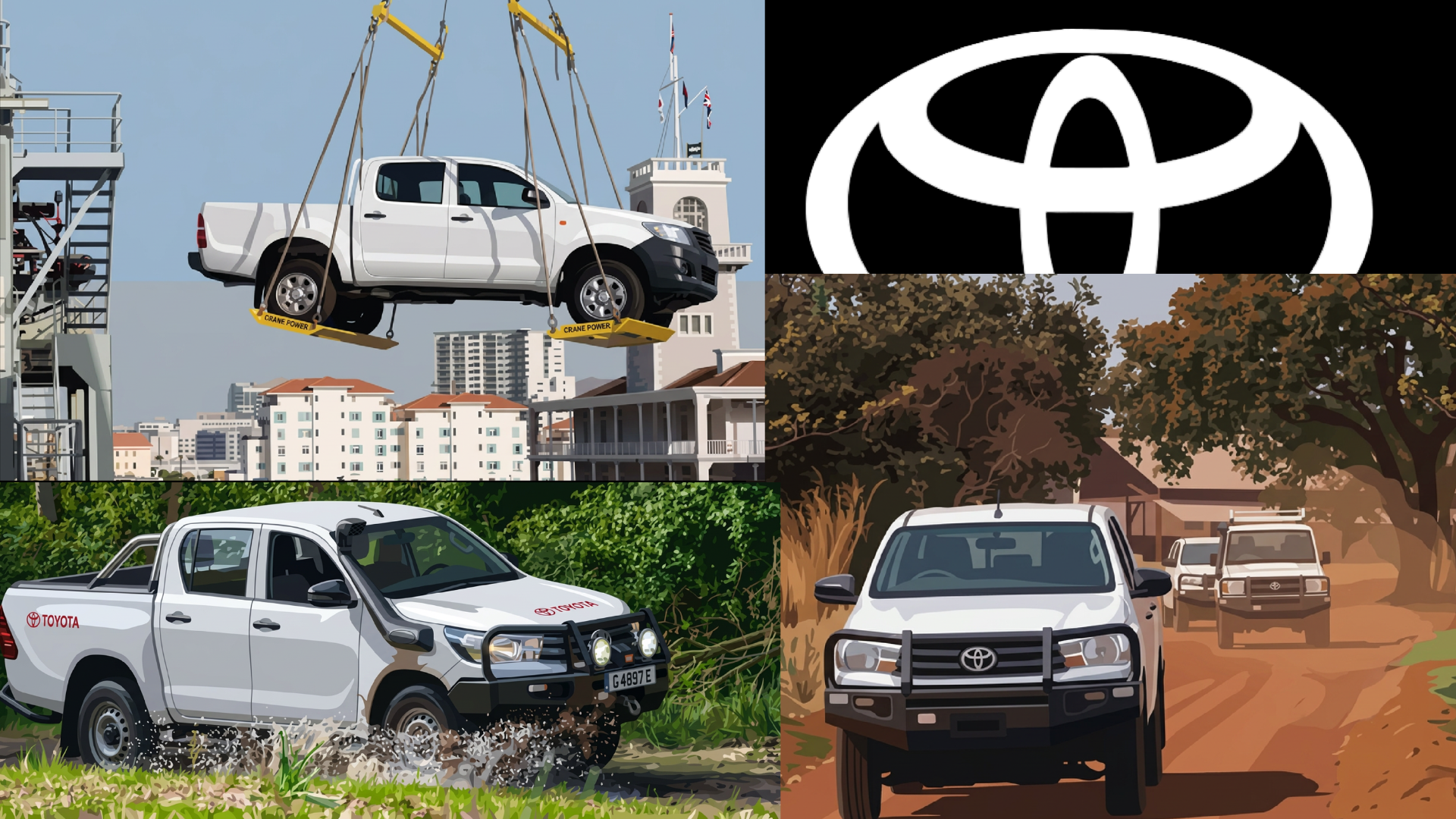
Serving alongside…
…the 70-series Land Cruiser & larger station wagons, the Hilux has become a must-have for NGOs and aid agencies operating in the humanitarian sector.
Still sold with the 5L normally-aspirated diesel engine introduced back in the 5th-gen in LHD configurations by the likes of Toyota Gibraltar Stockholdings (TGS) along with other stouthearted powertrains as well, the core principles of duty, ruggedness and dependability shine through in the toughest of conditions. It’s a trusty old burden-bearer and doesn’t gripe when subjected to hard labour.
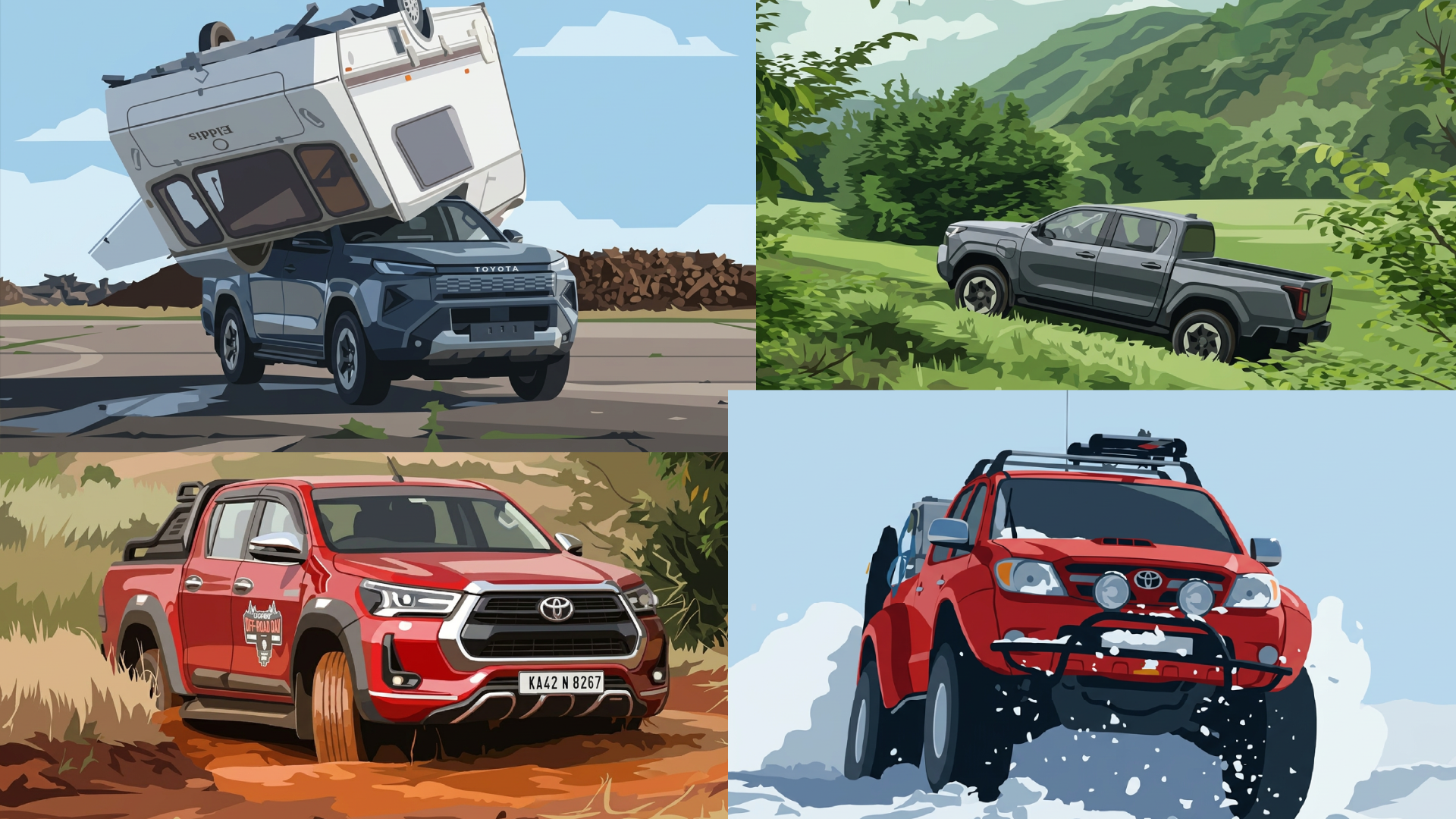
Remember the Top Gear connection?
James May and Jeremy Clarkson took a 7th-gen turbo-diesel Hilux to the magnetic North Pole in the 2007 Top Gear Polar Special. The very fact that it was trusted blindly by men with their lives who have spent enormous amounts of their careers testing motor cars in an environment where failure means certain death speaks volumes about the Hilux. Not once in the arduous did the Arctic Trucks’ kitted out red machine gave them a reason to panic. And being British of course, you can be sure their first choice would have been a Land Rover, only if one could’ve filled them up with the same certitude as the Hilux did.
Not one to shy away from the nostalgia, Toyota of United Kingdom is still dropping caravans on their trucks in 2026 and christening them “Invincible”.
The Legend continues….
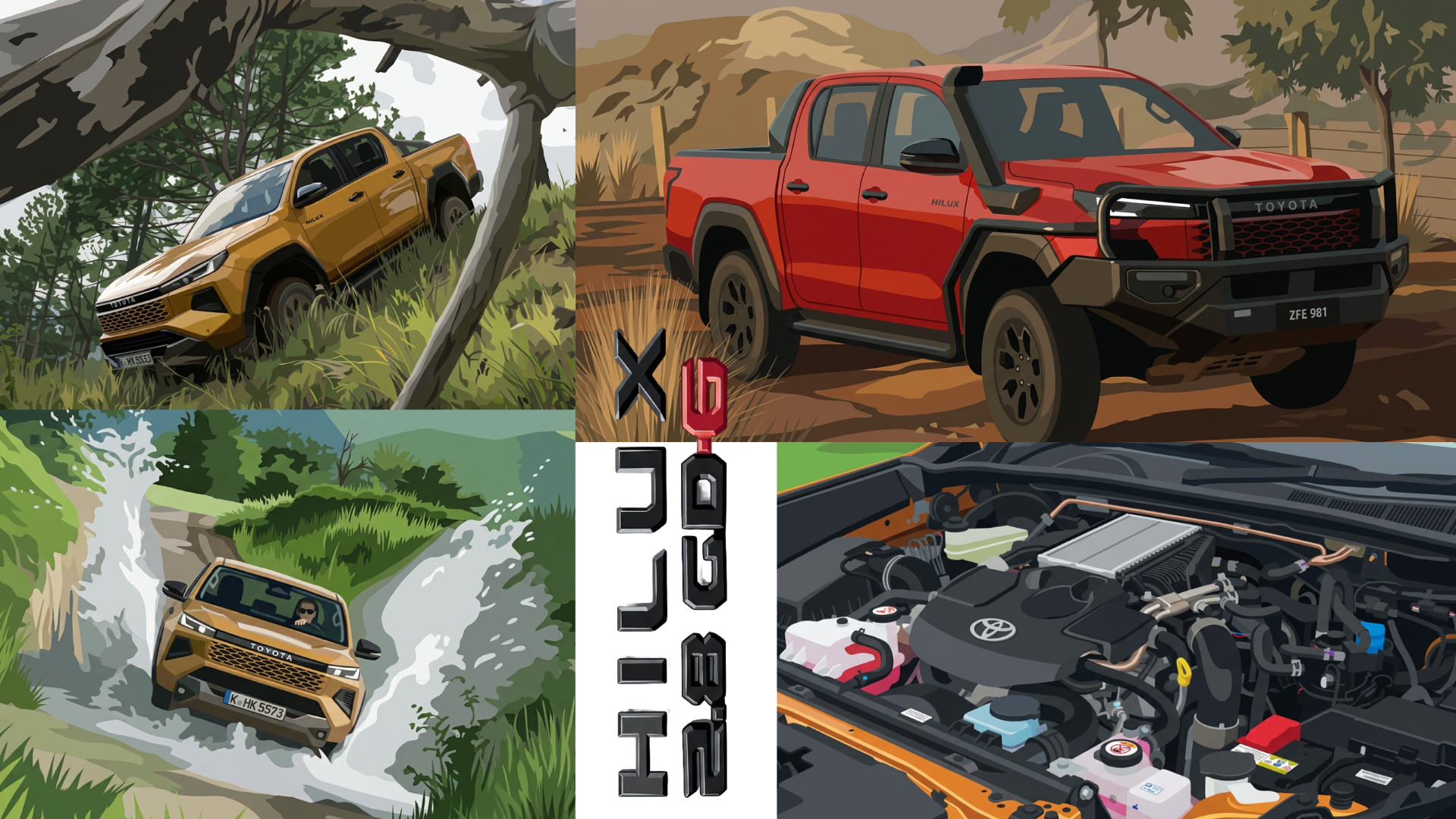
….with the ninth generation Hilux. While some complain not enough has been done for it to be called an entirely new generation, the new beast claims a robust electric powertrain paired with the existing body-on-frame construction, a first for any global pickup, so is the new EPAS for the Hilux.
The Ford Ranger brought along a 6-cylinder in the segment. However, the 4-pot-only Hilux sales didn’t seem to suffer much and though a 6-pot from the Japanese automaker might be on the cards, DPF issues with the 2.8-litre GD-6 turbo-diesel have now largely been sorted out for heavy-duty applications and the oil-burning mill, though not as rudimentary as its predecessors promises greater reliability with the capability to match any other Hilux before it. And that in itself, if the track record is anything to go by…. is enough.
