Hatch-Hazard
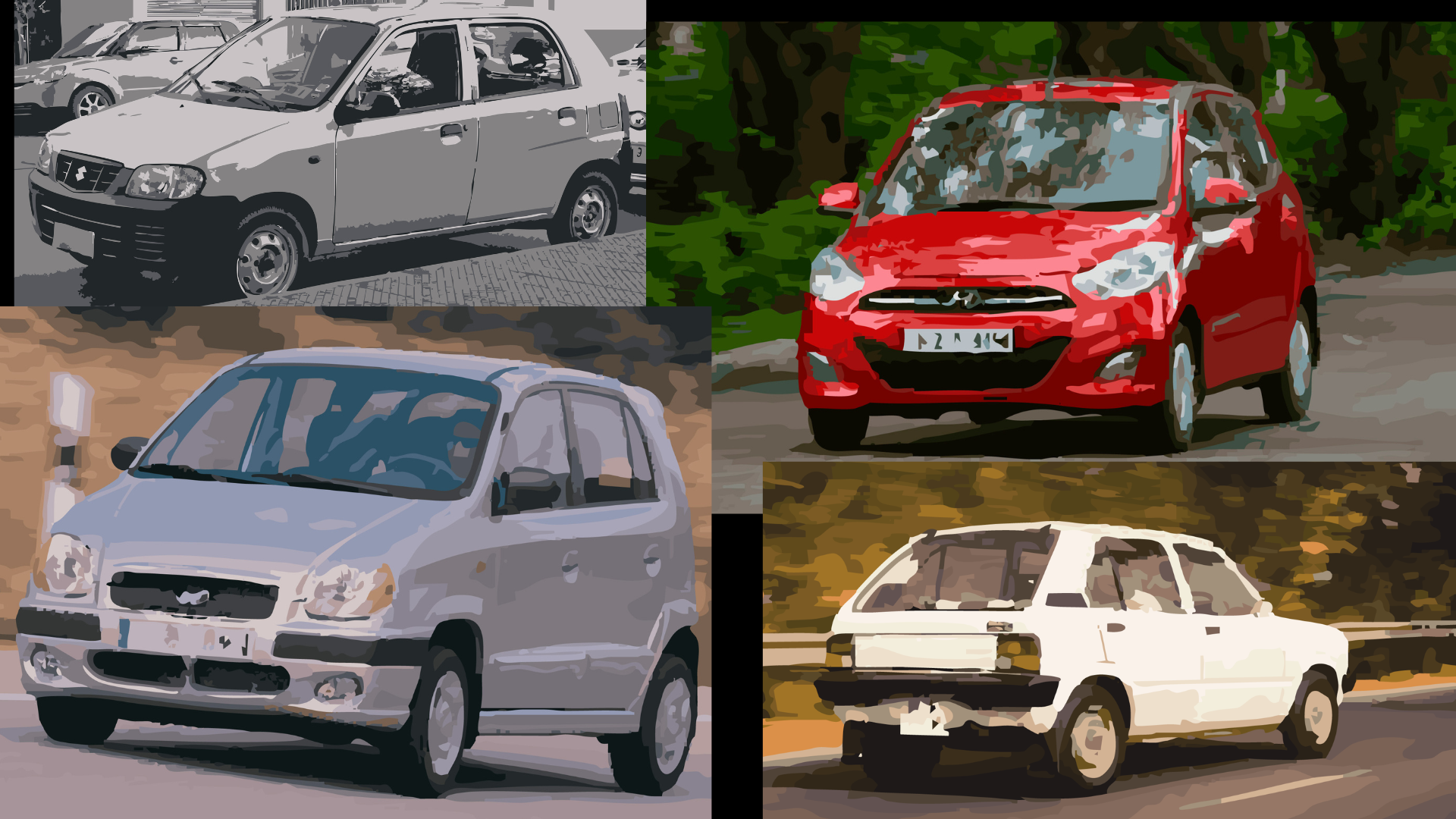
Affordable hatchbacks, once the gateway to four-wheeled mobility for India’s aspiring middle class, have been steadily vanishing from the automotive landscape over the past few years. This transformation may have left many who might have upgraded from motorcycles to their "first car" by now with dwindling options, driven by complex factors largely centred around stricter safety and emission legislations, shifting consumer preferences, automaker exits, lack of powertrain diversity, and daunting homologation requirements after BS6 norms.
Stricter Safety and Emission Rules
Legislative changes, especially the phased introduction of Bharat Stage VI (BS6) emission norms and tougher safety requirements, have fundamentally changed the economics of building, certifying, and selling entry-level cars. The BS6 upgrade demanded significant investment in technology like advanced fuel injection systems, onboard diagnostics, and particulate filters, resulting in a 10-20% price hike across the models. Furthermore, stricter crash safety mandates (frontal, side-impact, seat-belt reminders, airbags) forced automakers to redesign platforms originally meant to maximise cost efficiency, adding another layer of expense.
This double whammy has hit the bottom of the market harder since price sensitivity is highest for those upgrading from motorcycles: the cheapest models can no longer be profitably produced at an accessible price, pushing the entry barrier steeper than ever before.
Emission Norms: The Disproportionate Impact
The CAFE (Corporate Average Fuel Efficiency) framework, which calculates a manufacturer’s permissible average CO₂ emissions using vehicle weight as a yardstick, has created additional hurdles. In India, lighter vehicles—usually small cars—are penalized with much stricter emission limits than larger SUVs. For example, a heavy SUV emitting 128g/km of CO₂ might pass, while a nimble hatch with just 97g/km might attract penalties under the same norm, despite being innately more efficient. Globally, in contrast for some markets, emissions rules are comparatively lenient for compact cars, recognising their positive socio-economic and environmental value. But the Indian linear weight-based norm has structurally biased the market toward heavier, less efficient vehicles by making it easier for them to comply, further squeezing affordable hatchbacks out of contention.
Automaker Exits and Shrinking Range
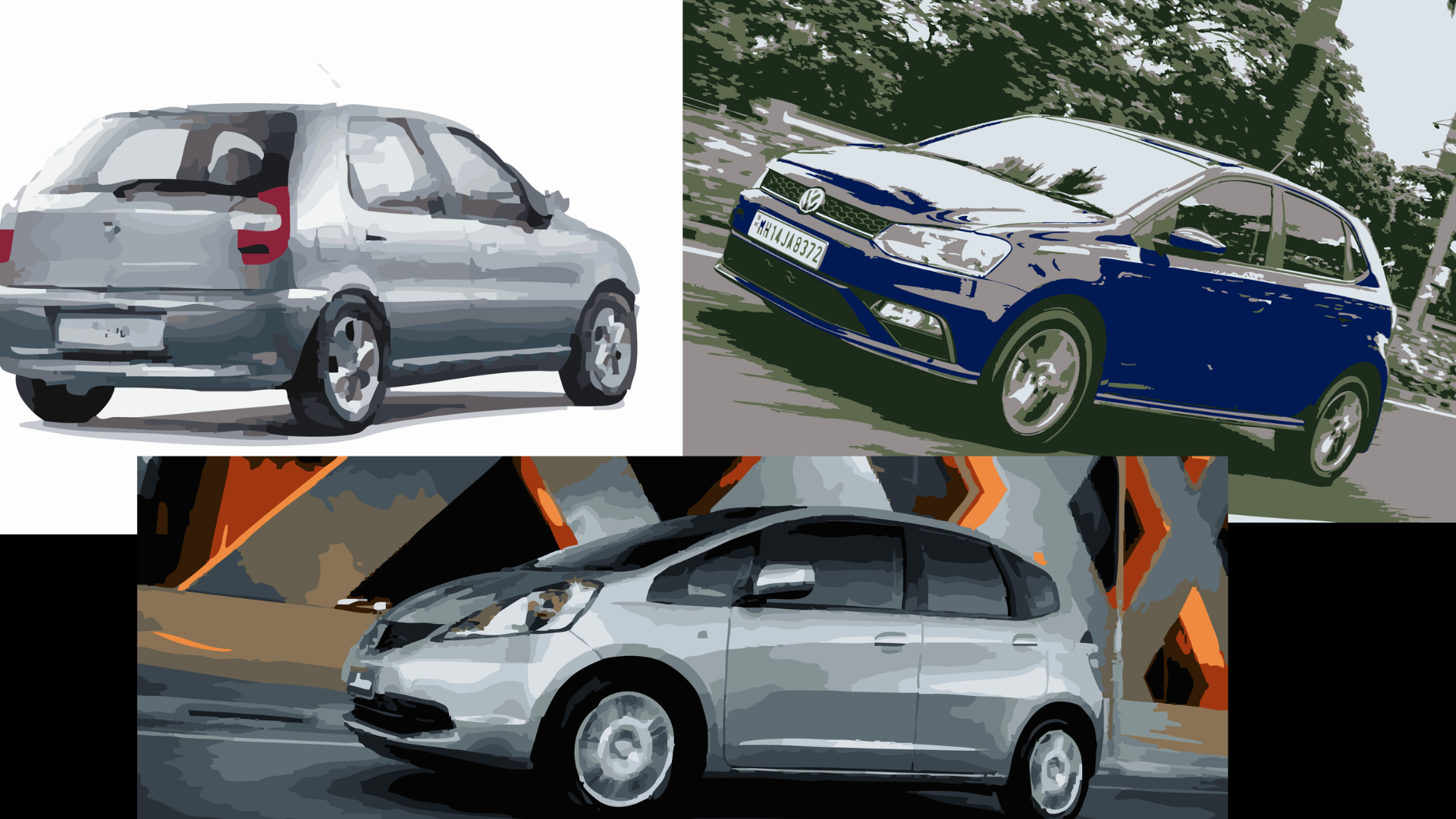
The regulatory burden and shrinking margins have compelled several global carmakers to pull the plug on their hatchback offerings in India. Many of these manufacturers have also been plagued by mismanagement and lack of consistency in the initiatives by the top leadership. Nissan withdrew the budget Datsun brand, Volkswagen ended the marathon that was the Polo’s run with no new-gen replacement, Honda has winded down the Jazz production, Ford and Fiat are nowhere to be seen—with models that once symbolised practical family motoring. Today, only Maruti Suzuki, Hyundai, and Tata Motors consistently cater to the bottom end of the market with a very limited set of powertrains.
As competitors flee the segment, variety evaporates—from over 30 models not long ago to just about 12 sub-million rupee options today without the crossover treatment. With the price gap to compact SUVs narrowing further, one might say that the market space has evolved with models like the Tata Punch taking the baton in terms of volume, however the consumer isn’t particularly spoiled for choice in the entry-level or even the premium hatch segment.
Dare to be different
Manufacturers to their credit, even in the cost-sensitive Indian market, didn’t hesitate bringing along their global models. These models seemed to carve out a niche for themselves as the large-hearted Fiats and later the turbo Abarth models made a name for themselves despite living largely under the shadows of the VW Polo in the small but alive performance-hatch market. Meanwhile, Honda Jazz moved goalposts for outright practicality and brought premium appeal to hatchback space.
Powertrain and Homologation Challenges
Manufacturers now face growing technical and business difficulties in making and certifying small, affordable powertrains that meet modern emission and safety standards. With BS6 Phase II, vehicles need to pass Real Driving Emission (RDE) tests, simulating “misfire” events and more stringent lab and field validation—processes typically modeled for global, high-cost markets rather than India’s unique urban conditions.
In this tedious transition, not only wailing Japanese dual-cams, Euro turbo-petrols (along with super-frugal turbo-diesels) have been long lost but many of these entry-level cars, originally designed for a much simpler regulatory regime, cannot be economically retrofitted, upgraded or homologated. The post-BS6 period thus marks a new age where advanced emissions control and certification is simply too expensive for cars meant to sell under million and turn a profit.
Consumer Demand: The SUV Tsunami
The Indian car buyer’s aspirations have evolved alongside economic growth, rising incomes, and changing lifestyles. SUVs and “crossovers” now dominate, with their promise of space, commanding road presence, and status—features not easily offered by budget hatchbacks. The price gap is now slim enough that consumers often choose a subcompact SUV or crossover for just a modest premium, which wipes out the traditional value proposition of small hatches. This becomes even more apparent amidst regulatory price inflations & the strictly high size-to-price ratio mindset of the typical Indian car buyer.
More than 50% of new model launches today (late 2025) are SUVs, and UVs have overtaken hatchbacks as the most popular car segment in India.
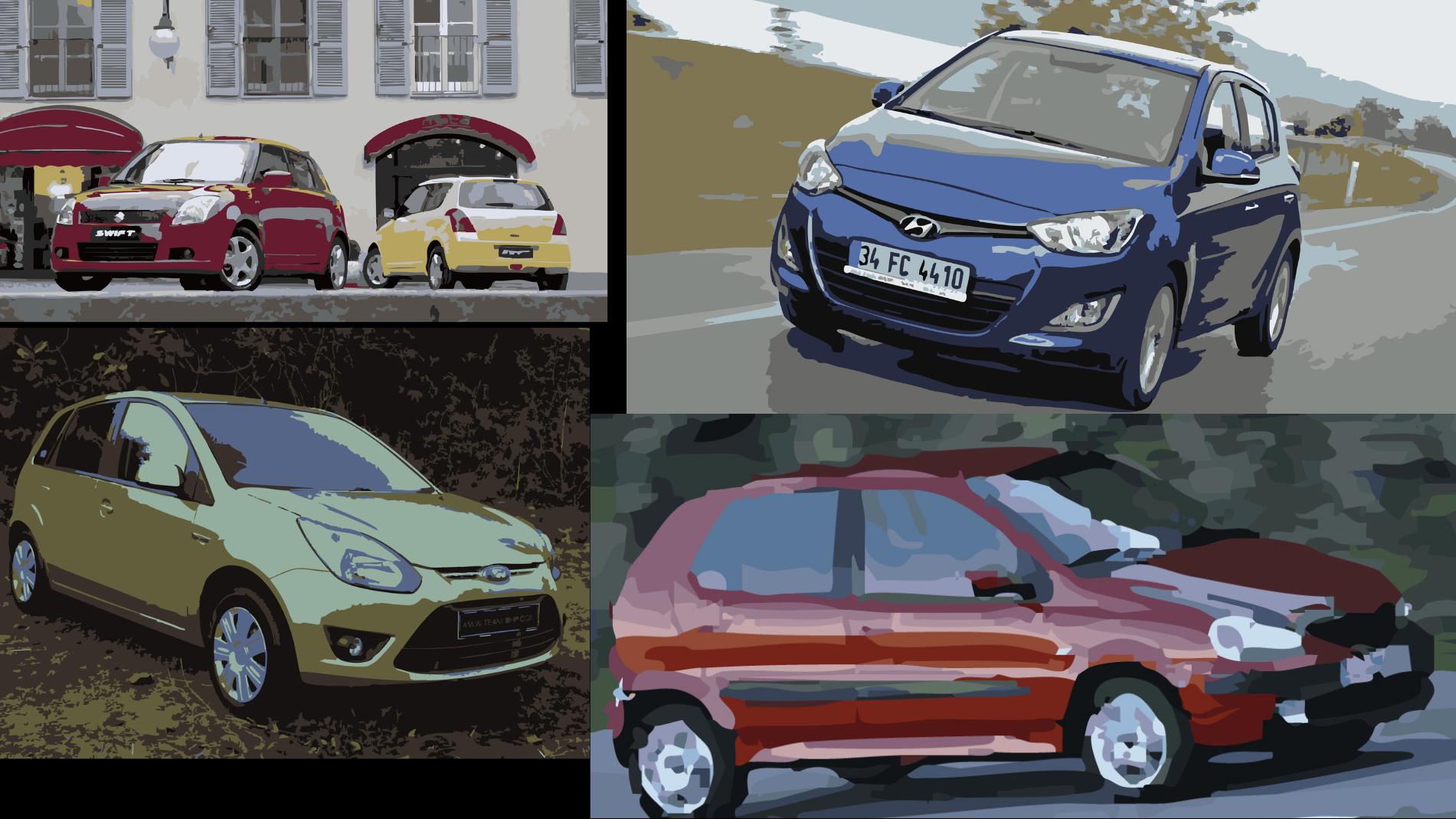
The Maruti-Suzuki Swift marked an evident departure from the Maruti script in 2005 as the undisputed volume leaders of the Indian Auto Industry aimed to target an all new type of clientèle.
Socio-Economic Outcome: Leaving Upgraders Behind
For millions who want to transition from motorcycles to a car, the disappearance of affordable hatchbacks means fewer realistic choices for safe, clean, and private mobility. The entry-level new car used to represent progress, security, and economic upliftment, but stricter norms have made this dream increasingly unattainable, especially for rural and small-town buyers.
If present trends continue, manufacturers and policymakers will need to rethink regulatory frameworks to ensure that the path to car ownership does not become exclusive to the upper middle class, and that the environmental and social value of lightweight, efficient small cars is preserved for the future.
The Way Forward
Industry insiders like ones from Maruti are pushing for more pragmatic emission rules for light cars, looser legislation, and a fresh thrust from manufacturers to revive and sustain the segment. A shift toward battery electric hatchbacks could potentially open accessible and clean mobility to the masses, provided costs and infrastructure mature. As of now, electric mobility is not a solution for buyers particularly in this segment of passenger vehicles in India.
In a market where once hot sellers like the well-engineered Hyundai i10 are underperforming (Q3 2025), the fading presence of affordable hatchbacks stands as a cautionary tale about the unintended consequences of regulatory overreach and market abstraction—where the goal of safer, cleaner mobility for all collides against the reality of access and affordability.
