How Honda got cool…..
……then lost it all
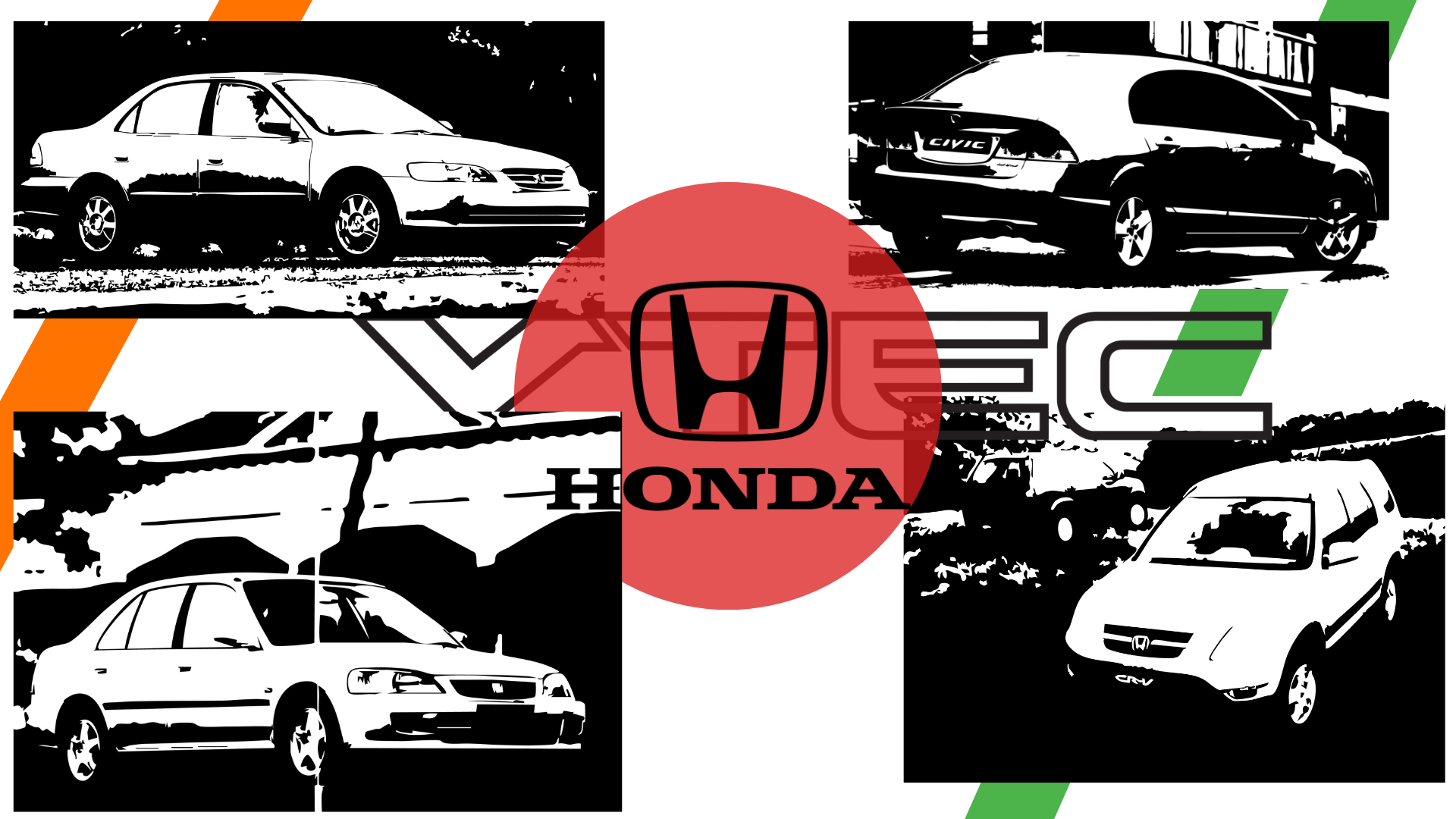
Remember 1997?
Neither do I. What I do know is that Indians still considered an 800 owner to have ‘made it’ in life. If one had an Esteem or a 1000, that was a cut above. While those in the illusion of being a cut above and in the government, still had an Ambassador.
And here comes Honda, with a design that’s decidedly global in the eyes of Indian execs, they discover the quality too is world-class as they hear about the state-of-the-art paint factory which is a first for cars in that segment. As showrooms pop up, they are drawn to the premium experience and overhear good things about the service and then they take a test drive. They are blown away by the way vehicle drove yet provided a back seat experience to put you in a dilemma. The engine however, felt like nothing else they had ever before driven, it spun-up like faster than they were used to depressing the throttle responding as if it was always on boil and yet, provided pretty good fuel economy.
Now of course, even a regular Indian exec wasn’t entirely alien to the Mitsubishi Lancer, Ford Escort and the Opel Astra, all offering global standards. That didn’t matter though, Honda had parts on stock and knew how it market their cars because it wasn’t partnering up with Hindustan Motors and had actually reworked the platform to suit emerging Asian markets. With the basics out of the way, the City drove like a dream, so it became one for millions of Indian households looking upto the model and of course, Honda. With the crowd-fave City VTEC and Accord launching years after the brand debut, Honda was solidifying its place as an executive carmaker.
Keeping it going…..
….into the 2000s, Honda India only bolstered its market positioning with premium models such as the Civic in 2006 after the CRV and the Accord before that even though the 2nd gen City was a bit of a snooze fest. However, keeping up with the times, Honda was able to fend off diesel competition with the efficient powertrain. The Civic looked like a futuristic concept car when others looked modest, the CRV drove like a car at a time when SUVs jiggled like jelly and the Accord was the go-to executive choice. With Takedagawa San at the helm, Honda went strength to strength and for once, could do no wrong. The 3rd gen City even brought back the enthusiasm with the 119 hp i-VTEC motor. However, by the late 2000s, the pressure was on, Honda had petrol-only premium models in segments where most sales were from diesel powertrains. The writing was on the wall, and Honda set out to create a low-cost platform along with a diesel mill.
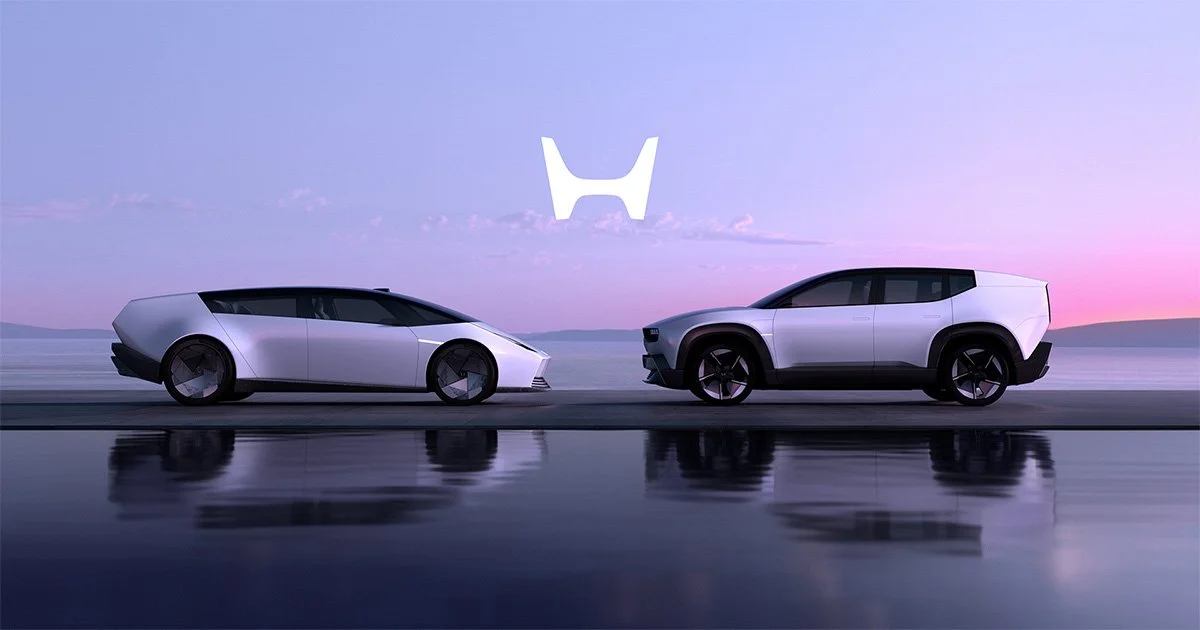
A new dawn…?
Honda’s upcoming “0 Series” platform marked a clean-sheet rethink with ultra-lightweight architecture & next-gen EnE architectures with electric powertrains in mind. However, amidst falling EV demand Honda has abandoned this project in favour of further ICE development. The global trend away from BEVs may see Honda playing to its core strengths.
It went south…
…..in a brave new world, Honda and a few other carmakers stepped into uncharted territory. In the process to take away a piece of pie from the small car segment, they looked past the fact that they did not have the product lifecycle feedback nor the understanding of the customer base as well as Hyundai or Maruti in the competing price bracket. As Honda India hedged their bets on the Brio platform, they used the underpinnings for other models starting from the Amaze and the Mobilio. The Amaze went on to take the Dzire on and with a clattery but efficient diesel, did well, the other models however did not. Honda tried going mass, but the cost cutting and an over-reliance on function meant the Brio platform ultimately failed to strike chord with budget buyers. A dashboard that stood out not in a very good way(much like the Etios), glass tailgate, the material and design choices particularly on the inside coupled with cost-cutting meant the models did not perform too well and were eventually discontinued apart from the well-packaged Amaze which took the fight to the segment leaders.
Models which cemented Honda India around a decade ago like the Accord, CR-V and the Civic were brought in after 2015. However, with less than perfect product planning and their respective segments shrinking, Honda India was again in a fit and after proving the credibility of their hybrid powertrain, discontinued the CBU Accord and later the Civic and CR-V. Potential owners of the Civic complained about the mismatch of engine-transmission combinations offered. In the later half of the 2010s, Honda was still oversupplying their dealers with diesel models despite their market share consistently shrinking which was ironic given they had refrained from surfing the diesel wave until the very last moment missing half the game.
All this meant that Honda India hit an all-time low in the earlier part of 2020s.
The road ahead……
……for Honda in India is no longer about chasing volume blindly—but to rebuild relevance through engineering-first thinking. At the core of this shift is Honda’s renewed platform strategy. The marque may move towards modular, multi-powertrain architectures like the now cancelled “Zero”, designed to underpin multiple body styles while sharing over 60% components. Such platforms promise flexibility which has been previously lacking with Japanese manufacturers while preserving the hallmarks of Honda’s engineering DNA.
For India, this translates into a hybrid-first approach, rather than an aggressive EV-only push. Honda has recalibrated its global electrification plans, prioritising strong hybrids that balance efficiency, performance and cost—critical in a price-sensitive yet fuel-conscious market. The upcoming generation of models, including hybrid SUVs and updated sedans, will leverage improved e:HEV systems with lighter batteries and more energy-dense motors, optimised for real-world usability rather than headline specs. Equally important is Honda’s intent to scale through platform and technology sharing, potentially supplying architectures and hybrid systems to local partners. This signals a shift from a closed ecosystem to a more collaborative, cost-efficient model—key to regaining competitiveness.
With plans for a whole host of new models by 2030, including a strong SUV push, Honda is finally aligning its product cadence with market demand. In an industry chasing disruption, Honda’s path forward feels almost old-school—refine the fundamentals, engineer deeply, and let the product speak. And if executed right, that might just be its biggest advantage.
