Saloon Saga
The story of the saloon in India is one of aspiration, innovation, and transformation—a body style that was once the very fabric of India’s car market, now rapidly receding in the rearview mirror, yet still commanding loyalty among luxury buyers. The journey of the Indian saloon is a fascinating window into the evolution of automotive tastes and the relentless churn of market forces.
The Rise of the Sedan: From Status Symbol to Market Mainstay
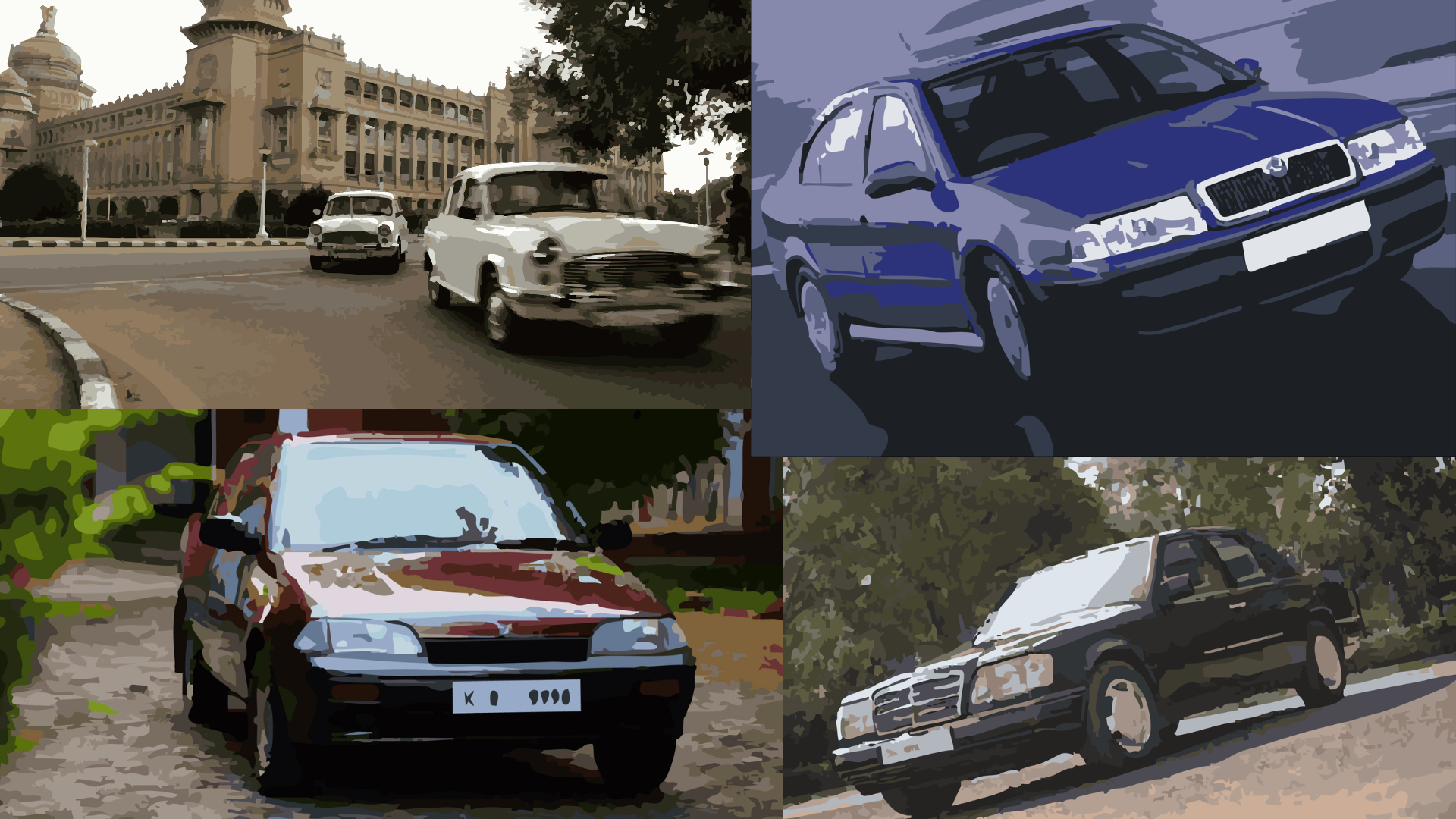
For decades after independence, the Indian automotive scene was defined by sedans. The first mainstream offerings—the Hindustan Ambassador and Premier Padmini—dominated Indian roads for thirty years under a closed economy. As the market opened up in the late 20th century, sedans became the default expression of mobility and status; a three-box car was, quite simply, what most Indians aspired to own.
The 1990s and early 2000s marked the golden age of the sedan in India. The Maruti 1000 brought a sense of attainable luxury, setting the pace for more aspirational models—the Esteem, Ford Ikon, Honda City, Hyundai Accent, and Mitsubishi Lancer all became household names. These cars brought not just practicality and comfort, but also a sense of prestige and aspiration. Every manufacturer that entered India led with a sedan, and by the early 2010s, there were as many as 18 sedan models on offer. In 2011, the segment peaked with over 364,000 sedans sold—accounting for around 15% of the market.
Hallmark Models that Shaped the Segment
A few milestones among saloons:
Honda City: arguably the most iconic sedan nameplate in India, synonymous with robust dependability, comfort, and driving pleasure. By the end of 2024, the City had sold over 900,000 units.
Hyundai Verna & Accent: with segment-first modern features, good after-sales service, and good range of powertrain options, appealing to a wide audience.
Ford Ikon: a car developed specifically for India, blending international design with local preferences, setting benchmarks in drivability packaging.
The Skoda Octavia: the model that defined accessible ‘value luxury’ in India, blending tank-like build, frugal-yet-strong powertrains, and long-legged highway manners, becoming the aspirational saloon that reset benchmarks for space, quality, and driving dynamics, and shaped Skoda’s premium image for two decades across generations with enthusiast-favourite vRS variants.
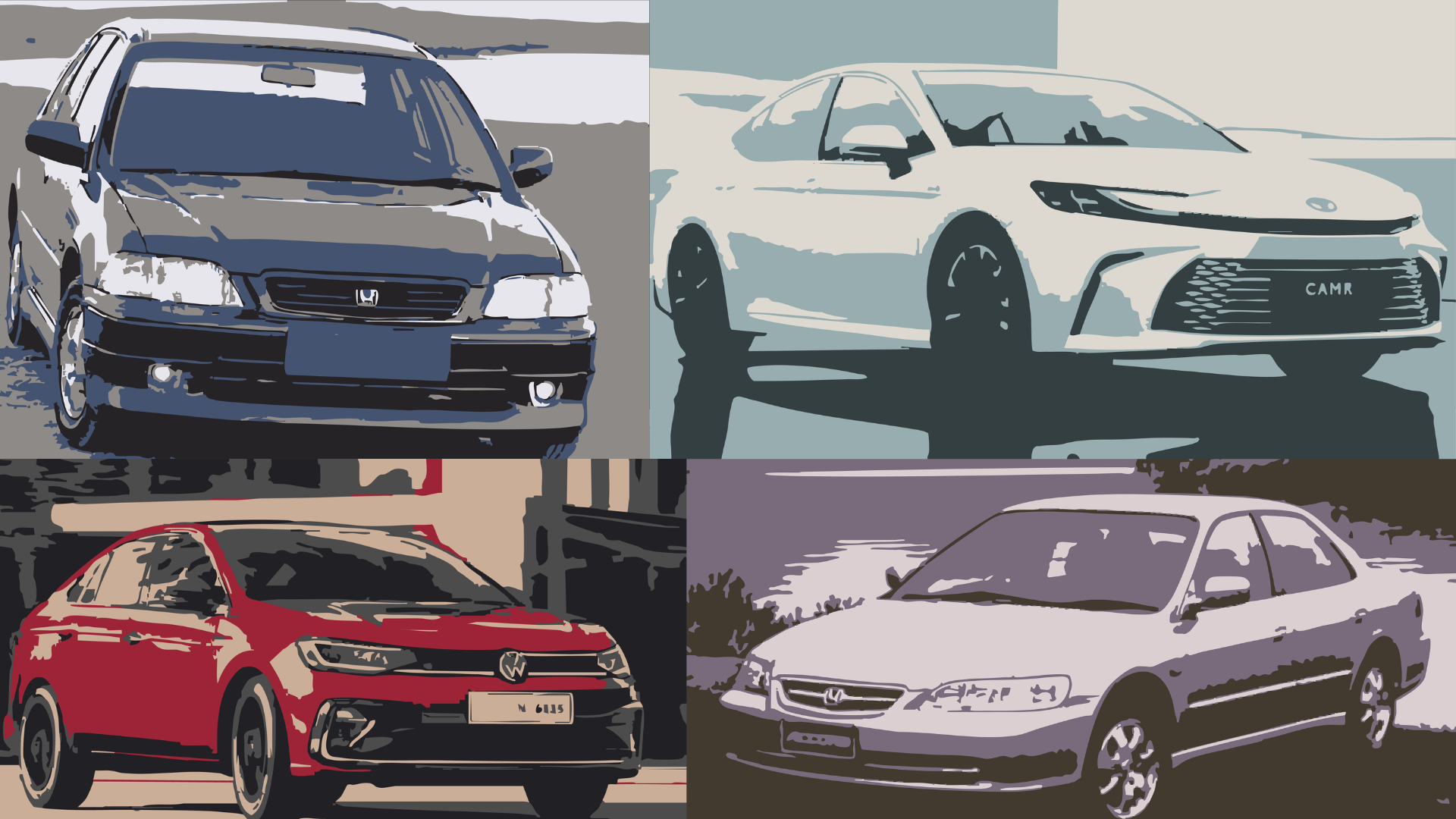
As of Q3 2025, the premium executive segment has a singular model and the C-segment market has shrunk down to an all-time low with just 4 models available powered solely by petrol where there used to an array of choices.
Changing Tides: The Decline and Why it Occurred
After peaking in the early 2010s, the sedan’s dominance began to erode. Regulatory changes (notably the sub-4-metre rule) gave rise to a rash of smaller, cheaper “compact sedans” that cannibalised their larger siblings. The popularity of diesel engines, once a sedan stronghold, also waned as emission norms tightened and manufacturers dropped diesel options—today, there are no diesel sedans left in the mass market.
What really ate into mass-market sedan volumes was the rise of the SUV. Cars like the Renault Duster, Ford EcoSport, and especially the Hyundai Creta rewrote the rules—delivering higher perceived practicality, imposing presence, and a commanding driving position. These features, combined with the poor state of many Indian roads and an increasing desire for road presence, turned buyer preferences decisively toward SUVs. In 2024, sedans held just 1.7% of the passenger vehicle market, with numbers having fallen drastically from their peak.
Sedans Today: A Tale of Two Markets
In today’s mass market, only a handful of sedans remain—Honda City, Hyundai Verna, Volkswagen Virtus, Skoda Slavia—many of which seem to survive thanks to the conviction of their manufacturers more than sheer demand. However, in the luxury segment, sedans still reign supreme. The Mercedes-Benz E-Class, for example, continues as a stalwart model, offering rear-seat luxury, comfort, and refinement that are hard for SUVs to match. Here, the sedan’s low stance, superior aerodynamics, and ride quality are prized attributes evidently valued by the more discerning clientéle.
Why Sedans might (Still) be a Superior choice
Enthusiasts and experts alike argue that sedans are fundamentally better motor vehicles in many ways:
Lower center of gravity yields better ride comfort and sharper handling than SUVs.
Typically more aerodynamic, aiding fuel efficiency, cabin refinement and performance.
For similar price points and footprints, sedans provide a plush rear seat experience and often a higher-quality ride.
Thanks to the three-box shape, saloons often offer more volumetric boot space than similarily price SUVs.
Evolving Preferences and the Road Ahead
Buyers, however, have changed. The quest for higher ground clearance, perceived safety, and a more versatile design have shifted mass aspiration toward SUVs. Manufacturers, facing squeezed margins and demand volatility, are pouring resources into more profitable SUV lineups. While sedans continue to command a devoted following among driving enthusiasts and rear-seat connoisseurs, their numbers and market clout are a shadow of what they once were.youtube
Sedans might no longer be the go-to aspirational purchase for the masses, but they remain beloved in the upper echelons—and for those few who value their strengths, perhaps, all the more special for their rarity.
